
U.S.A. Based Manufacturer.
Supporting Businesses Worldwide.

FIND US: 1140 Gervais Avenue, Maplewood, MN 55109

CONTACT: (651) 653-5098
sales@hafequipment.com

HāF Equipment Acquires Semi-Bulk Systems, Expanding Ingredient Handling Capabilities

HāF Equipment Acquires Semi-Bulk Systems, Expanding Ingredient Handling Capabilities…Read More

The Next Frontier of Food Processing: Why Pneumatic Blending is Now a Strategic Advantage

Coffee Bean Processing - Pneumatic Blending a Strategic Advantage - HaFSBX Ingredient Handling Equipment

by Mitch Lund

In the fiercely competitive food manufacturing industry, maintaining the status quo is a recipe for stagnation and ultimately loss of market share and future profitability. Operational leaders, from Plant VPs to Directors of Innovation, understand that process efficiency is directly proportional to bottom-line profitability and market responsiveness. For too long, the blending operation, a critical stage in food processing, has been overlooked.  

Today’s industry leaders recognize that transformative solutions are required to overcome constraints such as difficult-to-clean equipment and inflexibility. Therefore, high-speed pneumatic blending with integrated liquid-addition capability is a critical technology to know about. This is not merely an equipment upgrade; it is a strategic investment in speed, sanitation, and the forward-looking of food processing operations and product capabilities.

Pneumatic Blending A Strategic Advantage and The Operational Imperative: From Bottleneck to Competitive Edge

At HaFSBX, our work with leading specialty food producers across the globe consistently highlights four operational constraints that outdated mechanical blenders impose: 

Crippling Downtime and Sanitation Risk: Traditional equipment is plagued by “dead spots” and complex internal agitators, which make thorough cleaning time-consuming and create a persistent, high-risk sanitation environment. 

Capacity Cap: Slow blending and lengthy changeover cycles directly limit overall throughput, artificially capping production capacity and profitability. 

Stalled Innovation: The inability to seamlessly incorporate liquid ingredients such as oils or flavor extracts without a separate process step impedes the rapid development and launch of new product lines. 

Scalability and Consistency: Potential inconsistent blend-quality and lack of global compliance complicate multi-site expansion and threaten brand standards. 

The Strategic Solution: Pneumatic Blending Innovation

The next-generation solution is a Pneumatic Blender Assembly engineered for the realities of modern food production. By leveraging compressed air for mixing, this technology eliminates the root causes of limitation of the old process. 

Coffee Bean Processing - Pneumatic Blending a Strategic Advantage - HaFSBX Ingredient Handling Equipment
Engineering Highlight
Business Impact for Decision-Makers
No Moving Internal Parts & Smooth Surfaces
Massive Risk Reduction & Increases Efficiency: Eliminates dead spots, maximizing sanitation effectiveness and cutting cleaning/changeover time by up to 50%.
Fluidized Blending Technology
Accelerated ROI: Achieves rapid, homogeneous mixing in approximately half the time of traditional mechanical mixers (e.g., reducing an eight-minute cycle to four minutes).
Integrated Liquid Injection
Future-Proofing Your Portfolio: Custom nozzles atomize liquids directly into the airstream, enabling immediate innovation for complex, oil-based, or flavored recipes.
Sealed System with Integrated Bin Vent
Compliance & Cleanliness: Allows for pressure or vacuum conveyance directly into the vessel, maintaining a fully sealed, clean environment and simplifying material handling.
Comprehensive Explosion Mitigation
Regulatory Standards: Our engineered solutions can adapt to codes and regulations based on the project location. HaFSBX can support you on a comprehensive Dust Hazard Analysis (DHA), including recommended precautions like chemical suppression and flameless venting for fine, combustible powders.

Specific benefits are unique for every customer and product. Tests can be conducted at HaFSBX to determine the benefits for applications.

Quantifiable Results: Strategic Actions for Competitive Advantage

For one global specialty food producer, the transition to HaFSBX’s pneumatic blending system yielded immediate, quantifiable, and strategic advantages: 

Cycle Speed: Maximized production output by reducing blend times by up to 50%. 

Sanitation & Downtime: Drastically improved sanitation and accelerated changeovers, directly reducing high-risk environments and costly operational downtime. 

Flexibility & Innovation: Expanded flexibility to the product portfolio by enabling seamless liquid ingredient addition, directly supporting the launch of new, complex recipes. 

Brand Integrity: Delivered consistent, excellent blend-quality across all recipes, upholding brand standards globally. 

This strategic investment allowed them to move their operations beyond mere regulatory compliance and into a position for unprecedented speed, cleanliness, and long-term competitive flexibility.  

To explore how pneumatic blending can specifically transform your facility’s blending process and secure a competitive advantage, contact the engineering specialists at HaFSBX for a consultation. 

About HaFSBX
HaFSBX designs turnkey systems for projects of all sizes. Our team understands our customers’ concerns and takes the time to listen, develop a plan, and communicate along the way. If you need someone you can trust and want to eliminate the stress of managing the details of your next project, contact us today to discuss your next project and how our team can help.

About The Author – Mitch Lund
Mitch has been with HaF Equipment for more than 4 years and leads business development for HaFSBX in the baking and snack sectors. He has been in ingredient handling for 14 years and can be found at many of the industry trade associations HaF actively supports, including ABA, BEMA, and ASB. Mitch is a graduate of the University of Minnesota’s Chemical Engineering program and is passionate about helping customers grow and improve their businesses.

Overcoming Labor & Sanitation Challenges in Dairy Powder Handling

by Mitch Lund

How Tool‐Free, Sanitary Equipment Helps Dairy Processors Reduce Downtime, Meet Compliance, and Combat Labor Shortages

In 2025, dairy processors across the United States are facing a convergence of pressures: labor shortages, increased regulatory scrutiny, rising input costs, and growing expectations for food safety and hygiene. Among the operational costs that often fly under the radar—but hit profitability hard—are those tied to manual cleaning and disassembly of equipment used in dairy powder handling (e.g. dry blending, dry ingredient transfer, dust collection, bagging systems).

This article examines the scale and cost of labor shortages and manual cleaning downtime in the dairy industry, and describes how HaF Equipment’s engineering innovations provide meaningful solutions, helping dairy producers sustain throughput, stabilize costs, and maintain regulatory compliance.

The Challenge: Labor Shortages & Manual Cleaning Costs

Labor shortages and rising operating costs continue to increase daily operating costs for dairy processors and can account for 30% or more of the overall budget. In this environment, saving time on cleaning isn’t just about convenience—it’s about protecting margins, improving utilization, and maintaining a competitive edge in operations.

Labor Shortages: Scope and Impacts

  • A 2025 report by AGPROfessionals / Farm Journal (survey of 400 U.S. dairy producers) found that “ongoing labor shortages” are consistently among the top concerns. AGPROfessionals

Manual Cleaning / Disassembly and Downtime

  • Industry literature and producer surveys indicate and identify that:
    1. Frequent cleaning is required under sanitary regulations (FDA, USDA, etc.), especially in powder processing systems, including milk powder handling, where residual dust, allergens, and microbial growth pose risks.
    2. Manual disassembly, cleaning, and reassembly are labor‐intensive. For many pieces of equipment, this involves tools, bolts, clamps, and detailed sanitary welds/joints, which are hard to access.
    3. Each cleaning event causes downtime (lost production), labor cost (wages, overtime), and potentially delays to the next production run or line changeover.
  • Given that labor costs represent approximately 30% or more of operating costs, any time saved in cleaning has a multiplicative benefit in reducing that labor portion, improving equipment utilization, and lowering the total cost per unit processed.

Regulatory & Compliance Stakes

  • Dairy processors must comply with FDA’s Current Good Manufacturing Practice (cGMP), USDA standards (where applicable), and possibly state/local regulations around allergens, microbiological safety, and contaminants. Dairy processing equipment design that doesn’t enable thorough cleaning risks non‐compliance—leading to recalls, fines, or loss of market access.
  • Hygienic design is not just about cleaning frequency but also about design features: smooth surface finishes; minimal crevices; easily removable parts; sanitary fittings; and clean, accessible welds. Poorly designed milk powder processing equipment can harbor buildup that is difficult to inspect or clean, thereby increasing food safety risks.
  • Moreover, cleaning downtime also increases the risk of microbial growth or cross‐contamination if delays between cleaning are prolonged. Over time, neglect or difficult cleaning may affect yield, product quality, or shelf life.

HaF Equipment’s Solution: Engineering for Efficiency and Sanitation

Dairy processors need more than just reliable equipment—they need systems designed to save labor, minimize downtime, and simplify compliance. At HaF Equipment, we’ve made cleanability and efficiency the foundation of our engineering approach. By combining tool-free disassembly, sanitary design, and operator-centric features, our powder handling solutions directly address two of the dairy industry’s biggest challenges: labor shortages and costly equipment cleaning cycles. The result is equipment that’s faster to clean, easier to maintain, and safer for workers.

HaF Dairy Milk Powder Processing Equipment Key Design Features

  1. Fast, Tool-Free Disassembly
    • Use of quick‐release clamps, sanitary latches, and removable panels that require no bolts or tools.
    • Modular components that can be removed in minutes for cleaning, rather than hours.
  1. Sanitary and Hygiene-Oriented Design
    • Polished interior surfaces; minimal dead space; smooth welds; CIP (Clean‐In‐Place) or wash‐down compatibility.
    • Use of rinse points, drain angles, and gravity flow to avoid traps.
    • Access ports and inspection windows to allow rapid visual confirmation of cleanliness.
  1. Automation / Labor Saving Complements
    • Integration of automation (e.g. pneumatic or mechanical cleaning aids) to reduce manual scrubbing.
    • Ergonomic design to reduce physical strain on personnel, helping retention and safety.

Manual Cleaning / Disassembly and Downtime

  • Reduced cleaning time: When tool-free or quick-release designs are used, cleaning cycles can be significantly reduced.
  • Lower labor demand: Fewer workers are needed per cleaning event, less specialized labor is required, and training is easier.
  • Improved equipment uptime and throughput: More production hours, fewer line stoppages for cleaning/disassembly; better scheduling flexibility.
  • Reduced risk of non-compliance: Easier inspection, less chance of overlooked residues; faster turnaround in sanitation audits.

Economic Impact & Return on Investment

For a dairy operation with $1 million in annual operating costs, labor alone can reach $250,000. Cutting just 10% of cleaning-related labor can save $25,000 annually—not including added production value from reduced downtime.

With labor shortages projected to continue, investing in sanitary, tool-free dairy processing equipment offers both short-term cost savings and long-term protection against policy and labor market uncertainty.

Implementation Tips for Processors

  • Audit your cleaning workflows: time per cleaning, number of staff, frequency, and regulatory requirements. Identify the highest pain‐points (e.g. pieces that take the longest, cause the most downtime).
  • Set clear sanitary requirements: sanitation audits, customer/retailer specifications, allergen control, and frequency of regulatory inspections. Design or retrofit milk powder processing and handling equipment accordingly.
  • Choose Dairy Processing Equipment with Hygienic Materials and finishes, such as stainless steel, polished welds, and smooth surfaces, with minimal gaskets/traps. Seal designs that are sanitary.
  • Factor Capital vs. Operating Cost: By reducing labor costs, downtime, and compliance risks, the ROI is strong for new equipment or system integrations.
  • Training & Change Management: Initially, operators must be trained in the correct cleaning procedures, use of tool‐free features, and proper closure/latching to maintain sanitary integrity. Ensure teams understand tool-free systems and track savings over time.
  • Maintenance & Validation: Periodic inspections, maintenance, and documentation will support the equipment’s lifespan, delivering additional labor/time savings over time.

Broader Trends & Outlook

The dairy industry is moving toward automation, sanitary design, and labor-saving solutions. With stricter food safety regulations and prolonged labor shortages, processors need dairy powder-handling equipment that is efficient, easy to clean, and compliant. HaF Equipment leads this shift with innovative designs focused on cleanability, modularity, and operator efficiency.

  • Automation, Sanitary Design, and Labor Efficiency are increasingly seen as differentiators in dairy processing. Technologies and engineering solutions that reduce manual labor needs are becoming increasingly important in buyer decisions.
  • Regulatory Pressure and Consumer Expectations around food safety, allergen control, and product purity continue to rise; sanitary equipment design will not be optional.
  • Labor Shortage Uncertainty remains a concern. Equipment that reduces dependence on large cleaning crews or specialized labor offers a hedge.

Labor shortages and downtime from manual cleaning are significant, measurable risks to dairy processors—impacting cost, throughput, compliance, and ultimately profitability. The data show that labor can represent about 25% of operating costs, policy or labor disruptions can slash net income by tens of thousands of dollars annually, and cleaning downtime is a real drag on productivity.

HaF Equipment is positioned to lead the dairy powder handling industry through continuous investment in R&D focused on cleanability, fast maintenance, sanitary design, modularity, and ease of use in food/dairy settings.

Our engineered powder handling solutions—tool-free disassembly, sanitary design, rapid cleaning, and automation—provide a clear path to reducing labor demands, minimizing downtime, and maintaining food safety.

If you are a dairy processing leader, it’s time to:

  1. Audit your cleaning and sanitation workflows, especially in milk powder handling systems.
  2. Quantify the downtime and labor cost associated with cleaning in your operations.
  3. Explore equipment upgrades (or retrofits) that emphasize cleanability, tool-free access, and sanitary surfaces.
  4. Partner with equipment providers who understand both dairy regulatory requirements and operator constraints—HaF Equipment is built for that.

How HaF Can Help!

At HaF Equipment, we understand that producing a quality product starts long before the oven. Our custom solutions are designed to deliver accuracy and consistency in raw ingredient handling, helping bakeries of all sizes streamline their operations.

From Dust Collectors, Filter Receivers, or complete system integration, HaF is ready to connect!

About HaF

HaF Equipment designs turnkey systems for projects of all sizes. Our team understands our customers’ concerns and takes the time to listen, develop a plan, and communicate along the way. If you need someone you can trust and want to eliminate the stress of managing the details of your next project, HaF is Ready To Connect.

CONTACT US today to discuss your next project and how our team can help.

About The Author – Mitch Lund
Mitch has been with HaF Equipment for more than 4 years and leads business development for HaFSBX in the baking and snack sectors. He has been in ingredient handling for 14 years and can be found at many of the industry trade associations HaF actively supports, including ABA, BEMA, and ASB. Mitch is a graduate of the University of Minnesota’s Chemical Engineering program and is passionate about helping customers grow and improve their businesses.

You may also like:  Factory Acceptance Tests (FAT)

The Role of Precision Handling in the Bakery Process

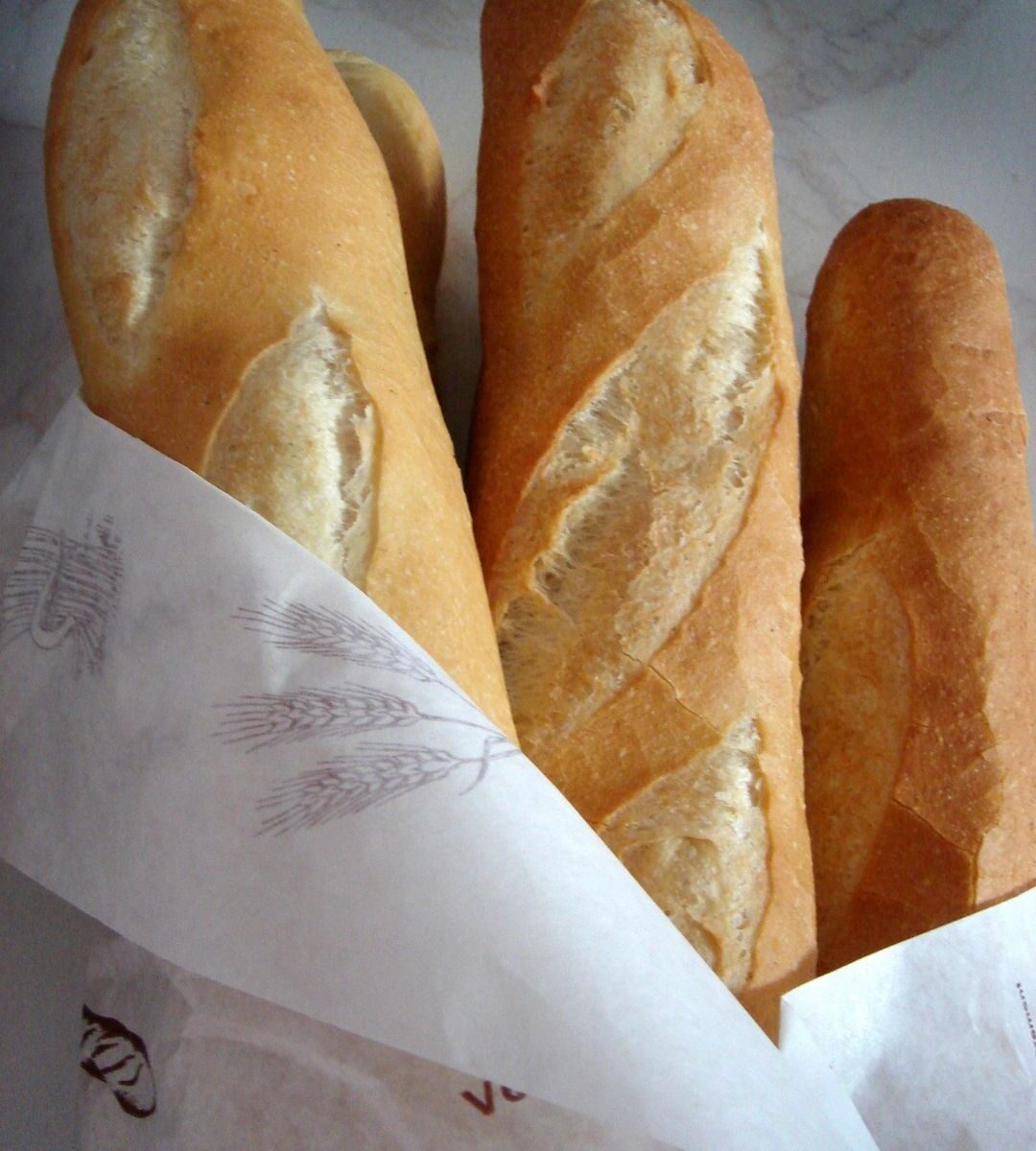
French Bread Loafs - Delicious Cupcake with Frosty - The Role of Precision Handling in the Bakery Process

by Kaleb Ten Haken and Mitch Lund

How is Bread Made?

There’s more to making bread than just flour, yeast, and water! Before the dough even hits the oven, each step of the bakery process — from measuring and mixing to fermentation — plays a critical role in determining the quality of the final loaf. Precision in handling raw materials directly impacts consistency, flavor, and appearance.

How Does Precision Handling Affect The Bakery Process?

Precision handling affects every aspect of the industrial bread baking process. Measuring, temperature, fermentation, shaping, proofing, and precise timing are all contributing factors that can affect the outcome of your bakery production — and precision handling impacts each and every step! Continue reading to learn more about this important aspect that can help boost the efficiency of the bakery industry.

Measuring: Where Precision Begins

Properly measured ingredients and mixing cannot be overstated. For example, flour and water balance is critical — too much or too little of either will make a bad batch of bread. Properly mixing the ingredients ensures that the flour is fully hydrated, the yeast is evenly distributed, and the dough develops the right structure and texture. This process helps to create a uniform crumb, enhances the bread’s flavor, and improves its overall quality. Additionally, thorough mixing activates the gluten proteins in the flour, which gives the bread its elasticity and chewiness. Taking the time to mix the ingredients well is a crucial step in baking bread that is both delicious and visually appealing.

Temperature: A Delicate Balance

Moreover, it’s important to consider the temperature of the ingredients and the environment in which you’re mixing. Warmer temperatures can accelerate yeast activity, potentially leading to over-proofing, while cooler temperatures can slow down the process, affecting the dough’s rise. Using a kitchen thermometer can help ensure that your ingredients are at the optimal temperature for mixing.

Fermentation: Where Flavor Takes Shape

Once the dough is thoroughly mixed, allowing it to rest and rise is equally important. This resting period, known as fermentation, allows the yeast to produce carbon dioxide, which causes the dough to expand and develop flavor. During this time, the gluten network continues to strengthen, making the dough easier to shape and resulting in a better final product.

Shaping: Crafting Structure and Style

After the initial rise, the dough is often punched down to release excess gas and then shaped into loaves or rolls. Shaping the dough correctly contributes to the bread’s final appearance and texture. It’s also an opportunity to add any extra ingredients, like seeds or herbs, that can enhance the bread’s flavor and visual appeal.

Proofing: The Final Rise to Perfection

Finally, the dough undergoes a second rise, or proofing, before baking. This step is crucial for developing the bread’s final volume and texture. Proper proofing ensures that the bread will have a light, airy crumb and a beautiful, golden crust.

Timing: The Final Touch

Baking the bread at the right temperature and time is the final key to success. The oven’s heat causes the dough to rise rapidly in the first few minutes of baking, known as “oven spring,” and then the crust begins to form. A well-baked loaf should sound hollow when tapped on the bottom and have a rich, even color.

How HaF Can Help!

At HaF Equipment, we understand that producing a quality product starts long before the oven. Our custom solutions are designed to deliver accuracy and consistency in raw ingredient handling, helping bakeries of all sizes streamline their operations.

From Dust Collectors, Filter Receivers, or complete system integration, HaF is ready to connect!

About HaF

HaF Equipment designs turnkey systems for projects of all sizes. Our team understands our customers’ concerns and takes the time to listen, develop a plan, and communicate along the way. If you need someone you can trust and want to eliminate the stress of managing the details of your next project, HaF is Ready To Connect.

CONTACT US today to discuss your next project and how our team can help.

About The Authors

Kaleb TenHaken

Kaleb TenHaken has been with HaFSBX for over seven years, bringing a strong foundation in mechanical engineering from Iowa State University. He began his career as a mechanical design engineer, where he quickly developed a passion for customer interaction and project execution.

Over the years, Kaleb has played a key role in the development and implementation of projects across the bakery industry. His ability to bridge technical expertise with customer-centric solutions has made him a trusted partner for many of HaFSBX’s top bakery clients.

Mitch Lund

Mitch Lund has been working for HaF Equipment for more than 3 years. He is the Vice President of the Dry Scrubber Users Association (DSUA) and has been serving in the industry for over 12 years. He received his Bachelor of Science in Chemical Engineering. Mitch leads business development efforts for HaFSBX in the baking and snack sectors. He has been in ingredient handling for 13 years and can be easily found at many of the industry trade associations HaF actively supports, including ABA, BEMA, and ASB. Mitch is a graduate of the University of Minnesota’s Chemical Engineering program and is passionate about helping customers in the baking industry grow and improve their business.

You may also like:  Factory Acceptance Tests (FAT)