U.S.A. Based Manufacturer.
Supporting Businesses Worldwide.

FIND US: 1140 Gervais Avenue, Maplewood, MN 55109

CONTACT: (651) 653-5098
sales@hafequipment.com

HāF Equipment Acquires Semi-Bulk Systems, Expanding Ingredient Handling Capabilities

HāF Equipment Acquires Semi-Bulk Systems, Expanding Ingredient Handling Capabilities…Read More

Overcoming Labor & Sanitation Challenges in Dairy Powder Handling

by Mitch Lund

How Tool‐Free, Sanitary Equipment Helps Dairy Processors Reduce Downtime, Meet Compliance, and Combat Labor Shortages

In 2025, dairy processors across the United States are facing a convergence of pressures: labor shortages, increased regulatory scrutiny, rising input costs, and growing expectations for food safety and hygiene. Among the operational costs that often fly under the radar—but hit profitability hard—are those tied to manual cleaning and disassembly of equipment used in dairy powder handling (e.g. dry blending, dry ingredient transfer, dust collection, bagging systems).

This article examines the scale and cost of labor shortages and manual cleaning downtime in the dairy industry, and describes how HaF Equipment’s engineering innovations provide meaningful solutions, helping dairy producers sustain throughput, stabilize costs, and maintain regulatory compliance.

The Challenge: Labor Shortages & Manual Cleaning Costs

Labor shortages and rising operating costs continue to increase daily operating costs for dairy processors and can account for 30% or more of the overall budget. In this environment, saving time on cleaning isn’t just about convenience—it’s about protecting margins, improving utilization, and maintaining a competitive edge in operations.

Labor Shortages: Scope and Impacts

  • A 2025 report by AGPROfessionals / Farm Journal (survey of 400 U.S. dairy producers) found that “ongoing labor shortages” are consistently among the top concerns. AGPROfessionals

Manual Cleaning / Disassembly and Downtime

  • Industry literature and producer surveys indicate and identify that:
    1. Frequent cleaning is required under sanitary regulations (FDA, USDA, etc.), especially in powder processing systems, including milk powder handling, where residual dust, allergens, and microbial growth pose risks.
    2. Manual disassembly, cleaning, and reassembly are labor‐intensive. For many pieces of equipment, this involves tools, bolts, clamps, and detailed sanitary welds/joints, which are hard to access.
    3. Each cleaning event causes downtime (lost production), labor cost (wages, overtime), and potentially delays to the next production run or line changeover.
  • Given that labor costs represent approximately 30% or more of operating costs, any time saved in cleaning has a multiplicative benefit in reducing that labor portion, improving equipment utilization, and lowering the total cost per unit processed.

Regulatory & Compliance Stakes

  • Dairy processors must comply with FDA’s Current Good Manufacturing Practice (cGMP), USDA standards (where applicable), and possibly state/local regulations around allergens, microbiological safety, and contaminants. Dairy processing equipment design that doesn’t enable thorough cleaning risks non‐compliance—leading to recalls, fines, or loss of market access.
  • Hygienic design is not just about cleaning frequency but also about design features: smooth surface finishes; minimal crevices; easily removable parts; sanitary fittings; and clean, accessible welds. Poorly designed milk powder processing equipment can harbor buildup that is difficult to inspect or clean, thereby increasing food safety risks.
  • Moreover, cleaning downtime also increases the risk of microbial growth or cross‐contamination if delays between cleaning are prolonged. Over time, neglect or difficult cleaning may affect yield, product quality, or shelf life.

HaF Equipment’s Solution: Engineering for Efficiency and Sanitation

Dairy processors need more than just reliable equipment—they need systems designed to save labor, minimize downtime, and simplify compliance. At HaF Equipment, we’ve made cleanability and efficiency the foundation of our engineering approach. By combining tool-free disassembly, sanitary design, and operator-centric features, our powder handling solutions directly address two of the dairy industry’s biggest challenges: labor shortages and costly equipment cleaning cycles. The result is equipment that’s faster to clean, easier to maintain, and safer for workers.

HaF Dairy Milk Powder Processing Equipment Key Design Features

  1. Fast, Tool-Free Disassembly
    • Use of quick‐release clamps, sanitary latches, and removable panels that require no bolts or tools.
    • Modular components that can be removed in minutes for cleaning, rather than hours.
  1. Sanitary and Hygiene-Oriented Design
    • Polished interior surfaces; minimal dead space; smooth welds; CIP (Clean‐In‐Place) or wash‐down compatibility.
    • Use of rinse points, drain angles, and gravity flow to avoid traps.
    • Access ports and inspection windows to allow rapid visual confirmation of cleanliness.
  1. Automation / Labor Saving Complements
    • Integration of automation (e.g. pneumatic or mechanical cleaning aids) to reduce manual scrubbing.
    • Ergonomic design to reduce physical strain on personnel, helping retention and safety.

Manual Cleaning / Disassembly and Downtime

  • Reduced cleaning time: When tool-free or quick-release designs are used, cleaning cycles can be significantly reduced.
  • Lower labor demand: Fewer workers are needed per cleaning event, less specialized labor is required, and training is easier.
  • Improved equipment uptime and throughput: More production hours, fewer line stoppages for cleaning/disassembly; better scheduling flexibility.
  • Reduced risk of non-compliance: Easier inspection, less chance of overlooked residues; faster turnaround in sanitation audits.

Economic Impact & Return on Investment

For a dairy operation with $1 million in annual operating costs, labor alone can reach $250,000. Cutting just 10% of cleaning-related labor can save $25,000 annually—not including added production value from reduced downtime.

With labor shortages projected to continue, investing in sanitary, tool-free dairy processing equipment offers both short-term cost savings and long-term protection against policy and labor market uncertainty.

Implementation Tips for Processors

  • Audit your cleaning workflows: time per cleaning, number of staff, frequency, and regulatory requirements. Identify the highest pain‐points (e.g. pieces that take the longest, cause the most downtime).
  • Set clear sanitary requirements: sanitation audits, customer/retailer specifications, allergen control, and frequency of regulatory inspections. Design or retrofit milk powder processing and handling equipment accordingly.
  • Choose Dairy Processing Equipment with Hygienic Materials and finishes, such as stainless steel, polished welds, and smooth surfaces, with minimal gaskets/traps. Seal designs that are sanitary.
  • Factor Capital vs. Operating Cost: By reducing labor costs, downtime, and compliance risks, the ROI is strong for new equipment or system integrations.
  • Training & Change Management: Initially, operators must be trained in the correct cleaning procedures, use of tool‐free features, and proper closure/latching to maintain sanitary integrity. Ensure teams understand tool-free systems and track savings over time.
  • Maintenance & Validation: Periodic inspections, maintenance, and documentation will support the equipment’s lifespan, delivering additional labor/time savings over time.

Broader Trends & Outlook

The dairy industry is moving toward automation, sanitary design, and labor-saving solutions. With stricter food safety regulations and prolonged labor shortages, processors need dairy powder-handling equipment that is efficient, easy to clean, and compliant. HaF Equipment leads this shift with innovative designs focused on cleanability, modularity, and operator efficiency.

  • Automation, Sanitary Design, and Labor Efficiency are increasingly seen as differentiators in dairy processing. Technologies and engineering solutions that reduce manual labor needs are becoming increasingly important in buyer decisions.
  • Regulatory Pressure and Consumer Expectations around food safety, allergen control, and product purity continue to rise; sanitary equipment design will not be optional.
  • Labor Shortage Uncertainty remains a concern. Equipment that reduces dependence on large cleaning crews or specialized labor offers a hedge.

Labor shortages and downtime from manual cleaning are significant, measurable risks to dairy processors—impacting cost, throughput, compliance, and ultimately profitability. The data show that labor can represent about 25% of operating costs, policy or labor disruptions can slash net income by tens of thousands of dollars annually, and cleaning downtime is a real drag on productivity.

HaF Equipment is positioned to lead the dairy powder handling industry through continuous investment in R&D focused on cleanability, fast maintenance, sanitary design, modularity, and ease of use in food/dairy settings.

Our engineered powder handling solutions—tool-free disassembly, sanitary design, rapid cleaning, and automation—provide a clear path to reducing labor demands, minimizing downtime, and maintaining food safety.

If you are a dairy processing leader, it’s time to:

  1. Audit your cleaning and sanitation workflows, especially in milk powder handling systems.
  2. Quantify the downtime and labor cost associated with cleaning in your operations.
  3. Explore equipment upgrades (or retrofits) that emphasize cleanability, tool-free access, and sanitary surfaces.
  4. Partner with equipment providers who understand both dairy regulatory requirements and operator constraints—HaF Equipment is built for that.

How HaF Can Help!

At HaF Equipment, we understand that producing a quality product starts long before the oven. Our custom solutions are designed to deliver accuracy and consistency in raw ingredient handling, helping bakeries of all sizes streamline their operations.

From Dust Collectors, Filter Receivers, or complete system integration, HaF is ready to connect!

About HaF

HaF Equipment designs turnkey systems for projects of all sizes. Our team understands our customers’ concerns and takes the time to listen, develop a plan, and communicate along the way. If you need someone you can trust and want to eliminate the stress of managing the details of your next project, HaF is Ready To Connect.

CONTACT US today to discuss your next project and how our team can help.

About The Author – Mitch Lund
Mitch has been with HaF Equipment for more than 4 years and leads business development for HaFSBX in the baking and snack sectors. He has been in ingredient handling for 14 years and can be found at many of the industry trade associations HaF actively supports, including ABA, BEMA, and ASB. Mitch is a graduate of the University of Minnesota’s Chemical Engineering program and is passionate about helping customers grow and improve their businesses.

You may also like:  Factory Acceptance Tests (FAT)

The Role of Precision Handling in the Bakery Process

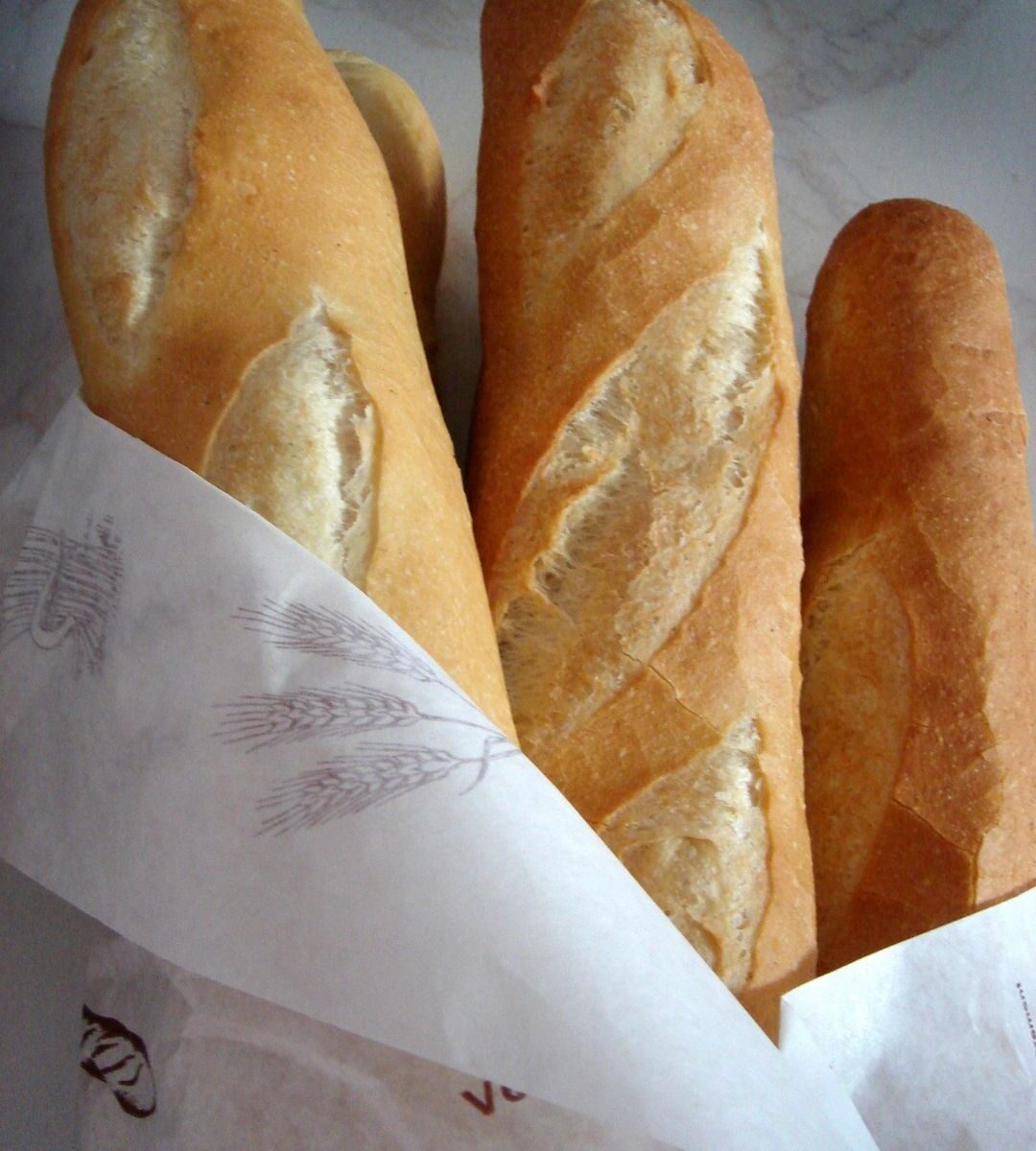
French Bread Loafs - Delicious Cupcake with Frosty - The Role of Precision Handling in the Bakery Process

by Kaleb Ten Haken and Mitch Lund

How is Bread Made?

There’s more to making bread than just flour, yeast, and water! Before the dough even hits the oven, each step of the bakery process — from measuring and mixing to fermentation — plays a critical role in determining the quality of the final loaf. Precision in handling raw materials directly impacts consistency, flavor, and appearance.

How Does Precision Handling Affect The Bakery Process?

Precision handling affects every aspect of the industrial bread baking process. Measuring, temperature, fermentation, shaping, proofing, and precise timing are all contributing factors that can affect the outcome of your bakery production — and precision handling impacts each and every step! Continue reading to learn more about this important aspect that can help boost the efficiency of the bakery industry.

Measuring: Where Precision Begins

Properly measured ingredients and mixing cannot be overstated. For example, flour and water balance is critical — too much or too little of either will make a bad batch of bread. Properly mixing the ingredients ensures that the flour is fully hydrated, the yeast is evenly distributed, and the dough develops the right structure and texture. This process helps to create a uniform crumb, enhances the bread’s flavor, and improves its overall quality. Additionally, thorough mixing activates the gluten proteins in the flour, which gives the bread its elasticity and chewiness. Taking the time to mix the ingredients well is a crucial step in baking bread that is both delicious and visually appealing.

Temperature: A Delicate Balance

Moreover, it’s important to consider the temperature of the ingredients and the environment in which you’re mixing. Warmer temperatures can accelerate yeast activity, potentially leading to over-proofing, while cooler temperatures can slow down the process, affecting the dough’s rise. Using a kitchen thermometer can help ensure that your ingredients are at the optimal temperature for mixing.

Fermentation: Where Flavor Takes Shape

Once the dough is thoroughly mixed, allowing it to rest and rise is equally important. This resting period, known as fermentation, allows the yeast to produce carbon dioxide, which causes the dough to expand and develop flavor. During this time, the gluten network continues to strengthen, making the dough easier to shape and resulting in a better final product.

Shaping: Crafting Structure and Style

After the initial rise, the dough is often punched down to release excess gas and then shaped into loaves or rolls. Shaping the dough correctly contributes to the bread’s final appearance and texture. It’s also an opportunity to add any extra ingredients, like seeds or herbs, that can enhance the bread’s flavor and visual appeal.

Proofing: The Final Rise to Perfection

Finally, the dough undergoes a second rise, or proofing, before baking. This step is crucial for developing the bread’s final volume and texture. Proper proofing ensures that the bread will have a light, airy crumb and a beautiful, golden crust.

Timing: The Final Touch

Baking the bread at the right temperature and time is the final key to success. The oven’s heat causes the dough to rise rapidly in the first few minutes of baking, known as “oven spring,” and then the crust begins to form. A well-baked loaf should sound hollow when tapped on the bottom and have a rich, even color.

How HaF Can Help!

At HaF Equipment, we understand that producing a quality product starts long before the oven. Our custom solutions are designed to deliver accuracy and consistency in raw ingredient handling, helping bakeries of all sizes streamline their operations.

From Dust Collectors, Filter Receivers, or complete system integration, HaF is ready to connect!

About HaF

HaF Equipment designs turnkey systems for projects of all sizes. Our team understands our customers’ concerns and takes the time to listen, develop a plan, and communicate along the way. If you need someone you can trust and want to eliminate the stress of managing the details of your next project, HaF is Ready To Connect.

CONTACT US today to discuss your next project and how our team can help.

About The Authors

Kaleb TenHaken

Kaleb TenHaken has been with HaFSBX for over seven years, bringing a strong foundation in mechanical engineering from Iowa State University. He began his career as a mechanical design engineer, where he quickly developed a passion for customer interaction and project execution.

Over the years, Kaleb has played a key role in the development and implementation of projects across the bakery industry. His ability to bridge technical expertise with customer-centric solutions has made him a trusted partner for many of HaFSBX’s top bakery clients.

Mitch Lund

Mitch Lund has been working for HaF Equipment for more than 3 years. He is the Vice President of the Dry Scrubber Users Association (DSUA) and has been serving in the industry for over 12 years. He received his Bachelor of Science in Chemical Engineering. Mitch leads business development efforts for HaFSBX in the baking and snack sectors. He has been in ingredient handling for 13 years and can be easily found at many of the industry trade associations HaF actively supports, including ABA, BEMA, and ASB. Mitch is a graduate of the University of Minnesota’s Chemical Engineering program and is passionate about helping customers in the baking industry grow and improve their business.

You may also like:  Factory Acceptance Tests (FAT)

Air Pollution Control

air pollution control solutions - HaF Equipment

by Nathan Osgood and Mitch Lund

HaF Equipment understands the importance of clean air and minimizing pollution. In this article, manufacturers will gain insight into different industrial air pollution control system solutions to help manage the quality of air that is taken in and expelled within their facilities. Those interested in improving air quality within their facility are encouraged to continue reading or contact HaF today to learn more about how to use air pollution control equipment for cleaner industrial operations.

What Are the Top Three Air Pollution Contaminants?

Air pollution control is essential for protecting our health and the environment. Understanding where air contaminants come from is an integral step towards creating usable solutions. Contaminants originate from three general sources: natural resources, mobile sources, and area sources.

1. Natural Resources – windblown dust, volcanic eruptions, wildfires
2. Mobile Sources – cars, trains, planes
3. Area Sources – cities, fireplaces, manufacturing facilities

HaF Equipment understands the importance of implementing effective measures to their equipment to minimize their environmental impact. It is important to consider the effect that industrial processes have on the environment in order to create a sustainable future. Each manufacturing facility and system is unique; however, the priority to invest in clean air initiatives via pollution system solutions is the same.

What Are HEPA Filters?

A High Efficiency Particulate Air (HEPA) filter can, in theory, remove at least 99.97% of dust, pollen, mold, and bacteria. This type of filter is meant to remove any airborne particles with a size of 0.3 microns (µm). The specification of 0.3 microns is the most penetrating particle size. So, HEPA filters can, in effect, remove the worst case of airborne particles from an environment. Particles that are either larger or smaller than 0.3 microns are trapped with even higher efficiency.

The HaF Inline HEPA Filter is the perfect option for making sure that processed air is being filtered up to a minimum efficiency rating value (MERV) of 16. MERV is a nationally recognized measurement system that is used to rate air filters. The higher the MERV rating the better the filter is at trapping specific types of particles.

The assembly can be installed after nearly any blower or fan. The HaF inline HEPA Filter is engineered with a tool-free quick take-apart design. The HaF inline HEPA Filter allows for simplistic filter replacements with knobs to access the filter housing.
Equipment like HaF’s HEPA Filter is integral for performing best practice for having clean air within a facility. And although managing the intake air quality is of the utmost importance, it is also imperative to positively impact the quality of outgoing air from a facility, as well. The air that is released from a facility and into the atmosphere should be taken into consideration when manufacturers plan their next project.

What Do Dry and Wet Scrubbers Do?

Dry and wet scrubbers are two primary types of systems used to control gaseous emissions, particularly acidic gasses, from industrial processes. Both have their unique mechanisms and applications, catering to different environmental control needs.

How Do Dry Scrubbers Work?

A dry scrubber is a filtration system that is mainly used to remove acidic gasses from combustion sources. Dry scrubbers use the injection of chemicals to attack the acids and contaminants in the exhaust air. This “traps” the contaminants and stops them from entering the atmosphere as it is exhausted.

Typically, a dry scrubber is a fabric filter that captures contaminated particles. Dry scrubbing systems use a dry reagent or sorbent to remove pollutants from the exhaust gasses. The sorbent can be a powder or granules of substances. Examples of sorbents include sodium bicarbonate (baking soda) or calcium hydroxide (lime). When the exhaust gasses pass through the dry scrubber, the sorbent reacts with the pollutants, particularly acidic gasses like sulfur dioxide (SO₂) and hydrogen chloride (HCl). This forms a stable, dry compound that can be collected and disposed of. Dry scrubbers are often used in industries where the addition of moisture to the gas stream must be avoided. They are suitable for controlling emissions from processes such as metal processing, power generation, and waste incineration.

Advantages of Dry Scrubbers

  • No wastewater generation, eliminating the need for water treatment facilities.
  • Lower operational costs compared to wet scrubbers.
  • Suitable for high-temperature applications.

Disadvantages of Dry Scrubbers

  • May require more reagent to achieve the same level of pollutant removal as wet scrubbers.
  • Handling and disposal of dry waste can be challenging.

How Do Wet Scrubbers Work?

Wet scrubbers are used mainly to remove harmful materials from industrial exhaust gasses before they are released into the environment. The wet scrubber system uses a scrubbing liquid to remove pollutants from the exhaust gasses. Those contaminants adhere to the scrubbing liquid and are left behind, so the gas can be safely exhausted into the air. Wet scrubbing involves the introduction of the exhaust gas stream into a spray of water or a mixture of water and a liquid reagent or scrubbing solution. The pollutants in the gas stream are absorbed into the liquid phase through physical or chemical interactions. Common reagents include lime slurry for sulfur dioxide removal or water alone for particulate matter. Wet scrubbers are used in chemical, mining, and metallurgical industries, as well as in power plants and waste incineration facilities, to control a variety of pollutants, including acidic gasses, particulates, and some organic compounds.

Advantages of Wet Scrubbers

  • High efficiency in removing both gasses and particulates.
  • Can handle high-humidity and high-temperature gas streams.
  • The scrubbing liquid can often be recycled and reused after treatment.

Disadvantages of Wet Scrubbers

  • Generation of wastewater, which requires proper treatment before disposal.
  • Higher operational costs due to water usage and treatment needs.
  • Potential for corrosion in equipment due to the wet environment.

HaF Can Help!

Air pollution control is a key step in the manufacturing process. It not only helps in preserving the environment but also ensures the well-being of workers and surrounding communities. By implementing effective measures such as proper ventilation systems, using eco-friendly materials, and regular maintenance of equipment, companies can significantly reduce their carbon footprint and contribute to a cleaner, healthier planet. If prioritizing air pollution control solutions is something you want to focus on, our team at HaF can help! Contact us today!

About The Authors

Nathan Osgood

Nathan Osgood is a Design Engineer. He has been a valued member of HaF Equipment’s team since 2022. He received his bachelor’s degree with a major in Industrial and Product Design and a minor in Packaging Design.

Mitch Lund

Mitch Lund has been working for HaF Equipment for more than 3 years. He is the Vice President of the Dry Scrubber Users Association (DSUA), and has been serving in the industry for over 12 years. He received his Bachelors of Science in Chemical Engineering.

You may also like:  Factory Acceptance Tests (FAT)

Join Us at the 2025 IPBS Trade Show

We’re gearing up for the 2025 International Powder & Bulk Solids Conference & Exhibition in Chicago from April 29 to May 1! Also known as “The Powder Show,” this event is the premier gathering for professionals across all industries involved in handling powders and bulk solids. Whether you’re in manufacturing, processing, or material handling, this is the place to discover the latest advancements, network with industry experts, and explore innovative solutions.

Our team is thrilled to be part of this dynamic event, where we’ll be showcasing new ideas, equipment, and solutions that can help optimize your operations. You’ll find us right at the entrance—Booth #1007! We are the first booth you’ll see when you walk through the doors, so you won’t miss us.

If you’re attending the show, be sure to stop by and say hello. We’d love to connect, discuss your challenges, and explore opportunities to help your business.

Or reach out to schedule a meeting. See you in Chicago!

Mechanical Conveying

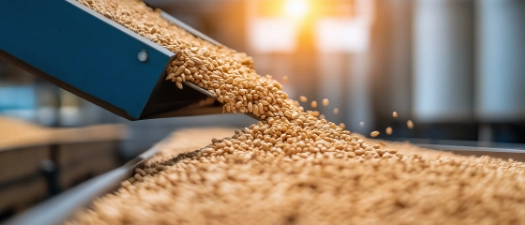
wheat passing thru a mechanical conveyor

by Ansley Williams and Duncan Marshall

This article covers the important uses and common pitfalls of mechanical conveying systems. Each manufacturing scenario is unique and often requires a custom-fit solution. It is important to know the different material conveying options available, as well as the necessary, proper care and cleaning to maintain the lifespan of the conveying equipment. This article will help manufacturers learn more about the different types of mechanical conveying systems available for efficient material movement and provide guidance for conveying operators.

The Difference Between Pneumatic and Mechanical Systems

Although both mechanical and pneumatic conveying systems can be effective tools, there are several key differences between the two that can determine which should be utilized for a project.

While pneumatic conveying is a system that uses pressure or a vacuum to transport materials, mechanical conveying is typically an open system which utilizes traditional machinery to transport heavy bulk materials. Mechanical systems can utilize belts, buckets, chains, rollers, or augers to convey material, whereas pneumatic conveying is reliant on the strength of the blower to push or pull the material. As a result, mechanical conveying systems are typically used in industries such as mining, agriculture, packaging, and more, since they are able to withstand the weight of the heavier materials involved.

Another key difference between the two systems is that mechanical conveyors can move wet products, but pneumatic conveyors cannot. This is because wet products are more susceptible to clogging the convey lines. Additionally, although mechanical conveyors are considered to be more versatile since they can run horizontally, vertically, or at an angle, they are only recommended for short distance conveying. This is due to the lack of flexibility and the increased amount of space the equipment takes up.

Why Do a Factory Acceptance Test?

There are many different types of conveyors that are used throughout the manufacturing industry. HaF Equipment can help meet your manufacturing needs with several different mechanical conveying options. HaF has a collection of ready-made designs and can also design custom equipment to fit specific needs.

Screw conveyors are one of the many pieces of mechanical conveying equipment that HaF has to offer. This type of conveyor uses an auger-type motion to move materials. It is often horizontal or at a slight incline. Screw conveyors can move at rates up to approximately 40 tons per hour and can cover over 65 feet. This type of conveyor can be used to move powders and other materials through a process.

A vibratory conveyor has a single trough design that vibrates to move the material upward and forward. This type of conveyor is well-suited for products that tend to clump together. It is also an efficient conveyor for more fragile materials.

Aero-mechanical conveyors use a wire rope with evenly spaced discs that travels at a high speed within a steel tube.

Bucket elevators are designed for vertical handling with dry, free-flowing bulk materials. These buckets are placed on either a single or double chain or belt.

Belt conveyors utilize a wide belt over rollers. This is used for transporting, feeding, discharging, and proportioning.

Drag chain conveyors use a chain and paddle to move the material.

Spiral conveyors are used when bulk solids must be conveyed vertically, both downward and upward.

Tubular Cable Conveyors is the most ideal choice for most fragile materials, as they are designed for gentle handling.

What technology is recommended for a specific application is dependent on several factors like layout, process variables (temperature, moisture, etc.), and material characteristics of the product being conveyed.

Challenges Involved with Mechanical Conveyors

One of the main challenges that can occur when dealing with mechanical conveyors is ventilation, especially in agriculture and industrial industries where creating dust is inevitable. Dust can be hazardous if not properly ventilated since some dust particles can be combustible.

Improper feeding can also create challenges for operators. This can occur when the spout size is miscalculated which can lead to blockages, uneven flow of materials, and increased wear and tear on the system. To avoid these problems, it is important to consider what kind of material is being moved through the system. Size, moisture content, and other physical properties should be considered to ensure proper spout sizing.

Another common challenge that may occur is improper sizing of the conveyor. Often, conveyors will be sized smaller to operate at higher speeds and reduce initial costs. However, this could lead to the conveyor not being able to handle the assigned task which can affect both safety and reliability. Extra measures to ensure safety and reliability include required temperature monitors for belt tracking systems when conveying materials that are classified as combustible, lid switches and motion switches for equipment with moving parts, and wear liners to prevent damage when systems are operating at higher speeds for prolonged periods.

Importance of Cleaning Conveying Systems

Maintaining the cleanliness of the material conveying system is a crucial step that strongly affects the manufacturing process as well as the quality of the items being manufactured. Equipment cleanliness helps prevent wear and tear, leads to a longer service life, and helps to reduce energy costs. These cuts in unnecessary costs — such as frequently replacing machinery or wasting energy to deep clean an ill-maintained machine — lead to greater profits for the manufacturer. Finally, and most importantly, a well-maintained, clean system leads to a safer work environment for operators.

How Conveyors Are Cleaned

There are a few different ways that mechanical conveying systems can be cleaned. The three main processes are wet cleaning, drying cleaning, and dry steam cleaning.

The wet cleaning process involves spraying down and washing the conveyor. This requires proper chemicals, an adequate spray and drain system, and an efficient drying system. A good drying system is especially important for this cleaning process because if the belt is not dried correctly, the residual moisture can promote the growth of bacteria in the belts, links, and bearings of the conveyor. This will lead to more cleanliness issues and health risks for the facility and, potentially, legal issues for the company. Wet cleaning is not the solution for every material as this process, when conveying certain materials, can cause corrosion and increase wear.

Dry cleaning is another option that manufacturers can utilize. This process uses compressed air, brushes, or vacuums, and eliminates  water usage otherwise required for cleaning. This process prevents the introduction of moisture into the system, which helps prevent the growth of harmful bacteria. In order for this method to be effective, the facility needs proper ventilation to dispose of the resulting dust.

Dry steam cleaning is an additional solution for circumstances that are not well suited to dry cleaning or wet cleaning. The comparatively low moisture content reduces the possibility of mold and bacteria growth and aligns with stringent food safety standards, and the temperatures are still high enough for proper sterilization. This is a favorable choice as it is an effective but gentle cleaning solution.

How HaF Can Help

HaF Equipment has a wide range of equipment options that can benefit manufacturing processes across a wide array of industries. From screw conveyors and bucket elevators to incline flex augers, HaF can offer custom mechanical conveying options to fit the need of any facility’s operations.

About HaF

HaF Equipment designs turnkey systems for projects of all sizes. Our team understands the concerns of our customers and takes the time to listen, develop a plan, and communicate along the way. If you need someone you can trust and want to eliminate the stress of managing all the details of your next project, HaF is Ready To Connect.

CONTACT US today to discuss your next project and how our team can help from concept to system solution.

About The Authors

Ansley Williams

Ansley Williams is a design engineer for HaF Equipment. She has been working as an engineer in the material handling industry for one year, and received her masters degree in mechanical engineering in 2022.

Duncan Marshall

Duncan Marshall has been with HaF since 2023. He has a background in finance and accounting, specifically Accounts Payable. He is currently a Staff Accountant for HaF Equipment.

You may also like:  Factory Acceptance Tests (FAT)